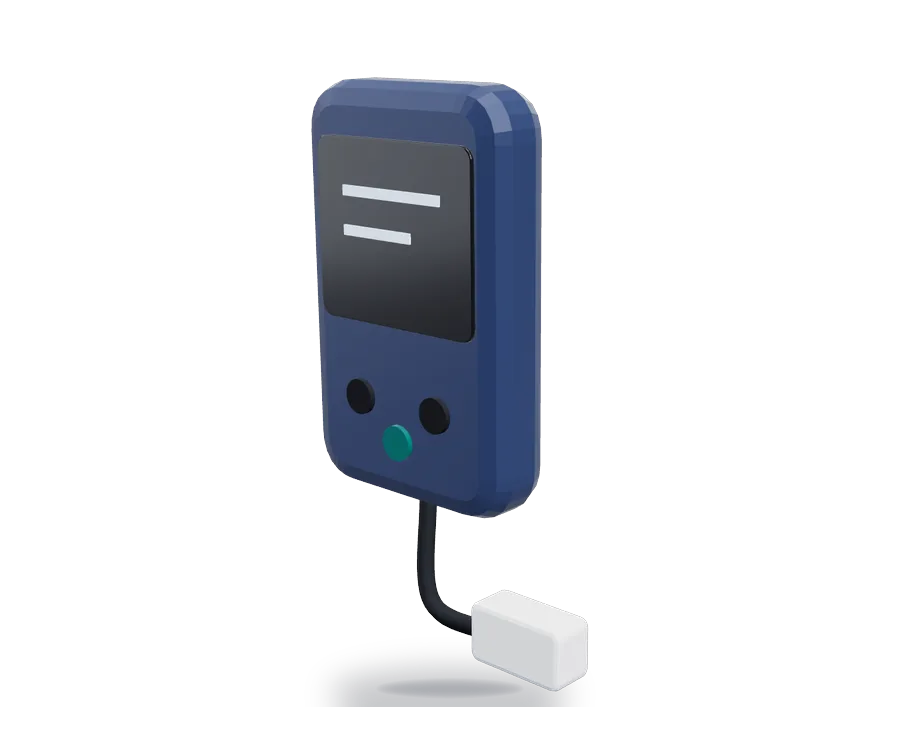
Looking for the best obd2 scanners? Buyzello compares 4 obd2 scanners you can buy online, including the BlueDriver Bluetooth Pro OBDII Scan Tool, FOXWELL NT301 OBD2 Scanner and ANCEL AD310 Classic Enhanced Universal, and gives each a clear Buy, Consider or Skip verdict. Typical prices run from $20 to $120, so there is a sensible pick for every budget.
For DIYers who want pro-style data, look at the BlueDriver Bluetooth Pro OBDII Scan Tool, typically $100–$120. Its standout is phone-based scanner with repair reports and no subscription, and our verdict is Buy. The FOXWELL NT301 OBD2 Scanner usually sells for $50–$70. We rate it Buy for a reliable handheld thanks to standalone scanner with live data and emissions readiness. The ANCEL AD310 Classic Enhanced Universal usually sells for $20–$30. We rate it Consider for glove-box basics thanks to very cheap code reader. The FIXD Sensor ($20–$40) earns a Skip verdict and suits not our pick: cheap Bluetooth sensor with an app.
What should you look for in obd2 scanners? Every gas car and light truck sold in the US since 1996 has an OBD2 port. Enhanced codes for ABS, airbags and transmissions need a more capable scanner. Check for subscriptions: some cheap sensors lock key features behind monthly plans. Emissions readiness data helps before a state smog or inspection appointment.
Every pick has trade-offs, so we also tell you who should pass. Skip the BlueDriver Bluetooth Pro OBDII Scan Tool if you want a standalone handheld with its own screen. Skip the FOXWELL NT301 OBD2 Scanner if you need ABS, airbag or transmission codes. Skip the ANCEL AD310 Classic Enhanced Universal if you want live data graphs, ABS or airbag codes, or repair guidance. Skip the FIXD Sensor if you want real diagnostics; much of the useful detail sits behind a paid FIXD Premium plan.
Want a ranked shortlist? Our guide to the best obd2 scanners picks a winner for most people, a budget choice in the $20–$30 range and premium options, with pros, cons and key specs. If two models look alike, our head-to-head comparisons explain the differences that actually matter.
Every gas car and light truck sold in the US since 1996 has an OBD2 port. Enhanced codes for ABS, airbags and transmissions need a more capable scanner. Check for subscriptions: some cheap sensors lock key features behind monthly plans.
It gives you codes and data that point to a system. Good apps suggest likely fixes, but a code is a starting point, not a final diagnosis. Clearing hides the problem; it does not fix it. Clear codes only after a repair, and note that clearing also resets emissions readiness.