Key takeaways
- Prime Day (July) and Prime Big Deal Days (October) favor Amazon devices, kitchen gear and smart home.
- Black Friday and Cyber Monday are usually strongest for TVs, laptops, game bundles and headphones.
- Use a price history tracker: a “deal” is only a deal if the price is lower than its usual price.
- If something breaks and you need it now, buy a well-reviewed pick now instead of waiting months for a sale.
In this article
The short answer
Both events are worth watching, but they are not the same. Prime Day is Amazon’s own sale for Prime members, usually held in July, with a second event, Prime Big Deal Days, in October. Black Friday and Cyber Monday run across every major US retailer in late November, and the competition pushes prices on big-ticket electronics hard.
If you can plan ahead, match the category to the event. If you cannot, buy the best-value pick at a fair price and stop worrying.
What tends to be cheapest on Prime Day
- Amazon devices: Echo speakers, Fire TV sticks, Kindle e-readers, Ring and Blink cameras. Amazon discounts its own hardware hardest on its own sale days.
- Kitchen gear: air fryers, multi-cookers, blenders and coffee makers. See our best air fryers to know what to watch.
- Smart home: smart plugs, video doorbells and robot vacuums, which often see some of their lowest prices of the year.
- Everyday tech accessories: power banks, chargers and cables.
What tends to be cheapest on Black Friday and Cyber Monday
- TVs: the deepest discounts on current-year OLED and Mini-LED models often land in November. Start with our best TVs.
- Laptops and tablets, including back-to-school models that did not sell.
- Game consoles, usually as bundles with a game or extra controller.
- Headphones and earbuds: last year’s flagships drop when this year’s models arrive. See our best noise-cancelling headphones.
How to tell a real deal from a fake one
A big red “40% off” means little if the “list price” is a number nobody pays. Check the price history with a tracker such as Keepa or camelcamelcamel. A real deal is lower than the price the product has actually sold for over the last few months.
- Watch for older models dressed up as deals. Check the model number and release year.
- Be wary of bundles that pad the value with accessories you do not want.
- Lightning deals sell out fast, but a missed one usually comes back. Do not panic-buy.
When not to wait
If your vacuum dies in March or your car battery fails in a cold snap, waiting months for a sale costs you more in hassle than you will save. Buy a proven pick from our best lists at a fair price. Many categories also see smaller sales around Presidents’ Day, Memorial Day, Labor Day and back-to-school season.
Our simple plan
- Make a short list from our best lists now, while you have time to read.
- Add the products to your Amazon wish list or a price tracker.
- When the price drops near its lowest recent level, buy, and check the return window.
- Register the warranty after it arrives, especially for TVs, laptops and appliances.
Recommended products
Amazon
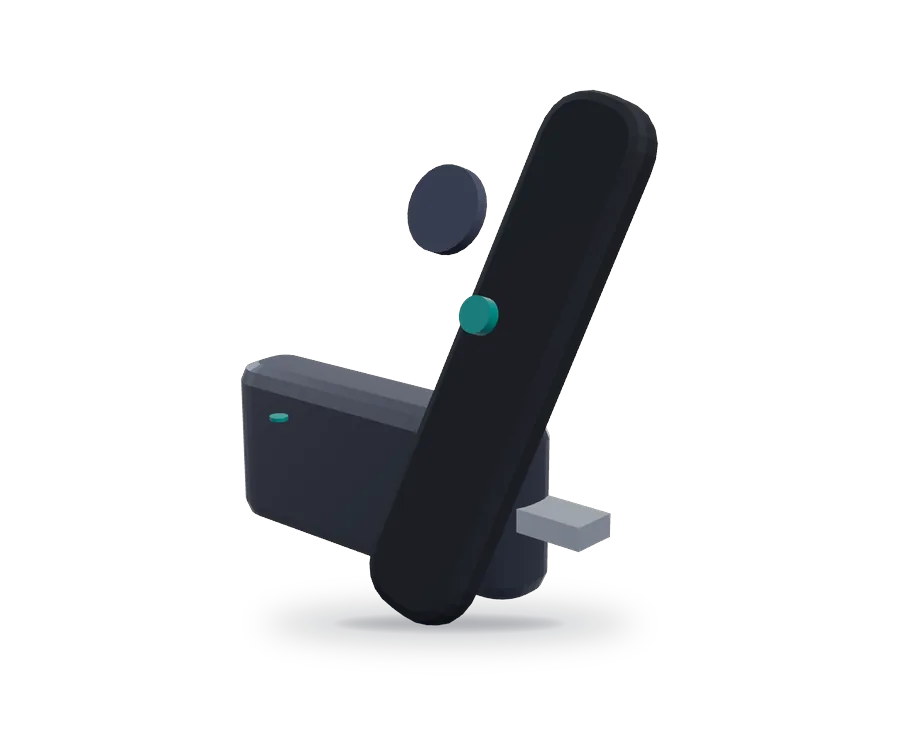
Amazon Fire TV Stick 4K Max (2nd Gen)
Amazon devices see their best prices on Amazon’s own sales.


Frequently asked questions
Is Prime Day or Black Friday better for TVs?
Black Friday and Cyber Monday usually bring the deepest TV discounts, especially on current-year models. Prime Day can be good for Amazon’s own Fire TV models.
Do I need Prime to get Black Friday deals on Amazon?
No. Black Friday and Cyber Monday deals on Amazon are generally open to everyone, though some offers are Prime-exclusive. Prime Day deals require a Prime membership.
How can I check whether a deal is real?
Look up the price history with a tracker such as Keepa or camelcamelcamel and compare the deal price with what the product has actually sold for in recent months.
Keep reading

Sony WH-1000XM6 Review 2026: Our Verdict, Best Price & Where to Buy
Sony WH-1000XM6 review: 9.2/10, a BUY. Typical price $399 – $459. Compare noise-cancelling headphones and check today's Amazon deal.
Bose QuietComfort Ultra Headphones (2nd Gen) Review (2026): Worth It? Price, Pros, Cons & Deals
Bose QuietComfort Ultra Headphones (2nd Gen) review: 9/10, a BUY. Typical price $379 – $449. Compare noise-cancelling headphones and check today's Amazon deal.
Bose QuietComfort Headphones Review (2026): Worth It? Price, Pros, Cons & Deals
Bose QuietComfort Headphones review: 8.5/10, a BUY. Typical price $199 – $349. Compare noise-cancelling headphones and check today's Amazon deal.